
JIMOH IBRAHIM TAKES CHARGE OF UN BUDGET COMMITTEE, TARGETS REFORMS, STAFF PENSION

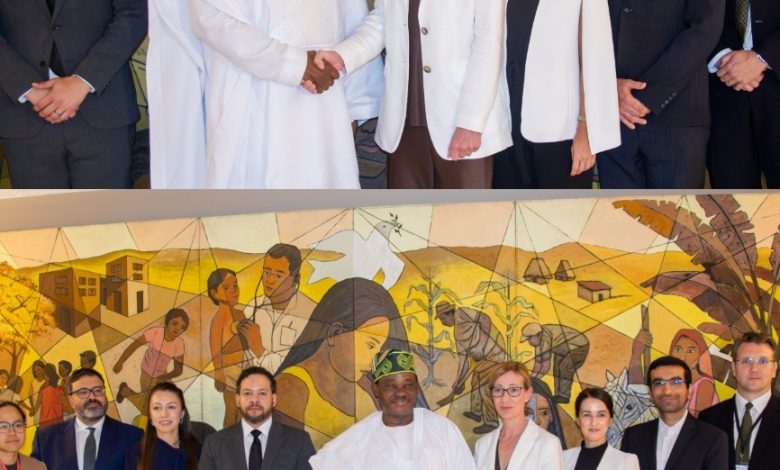
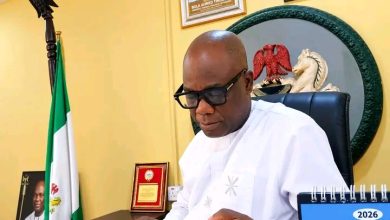
Nigeria’s Permanent Representative to the United Nations, Ambassador Jimoh Ibrahim, has assumed the chairmanship of the United Nations General Assembly’s Fifth Committee on Budget and Administration, pledging to make financial discipline, institutional reforms and staff welfare central to his leadership.
The Fifth Committee is responsible for considering the United Nations’ budgetary, administrative and human-resources matters, placing Ibrahim at the centre of critical decisions concerning how the world body allocates and manages its resources. His election was announced in June 2026, at a time the United Nations was confronting significant financial pressures and calls for greater institutional efficiency.
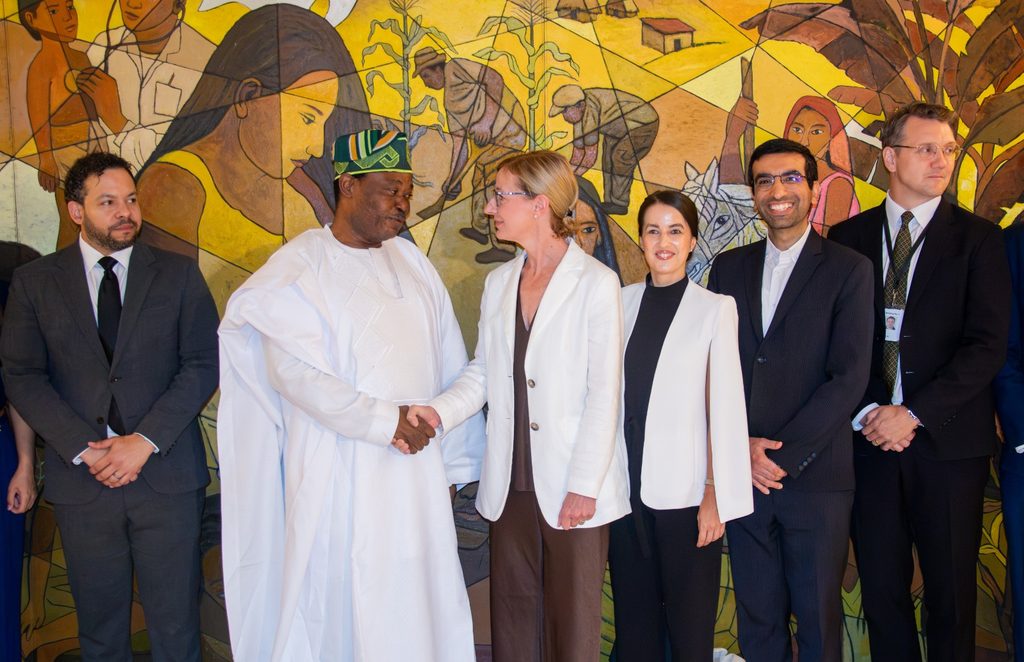
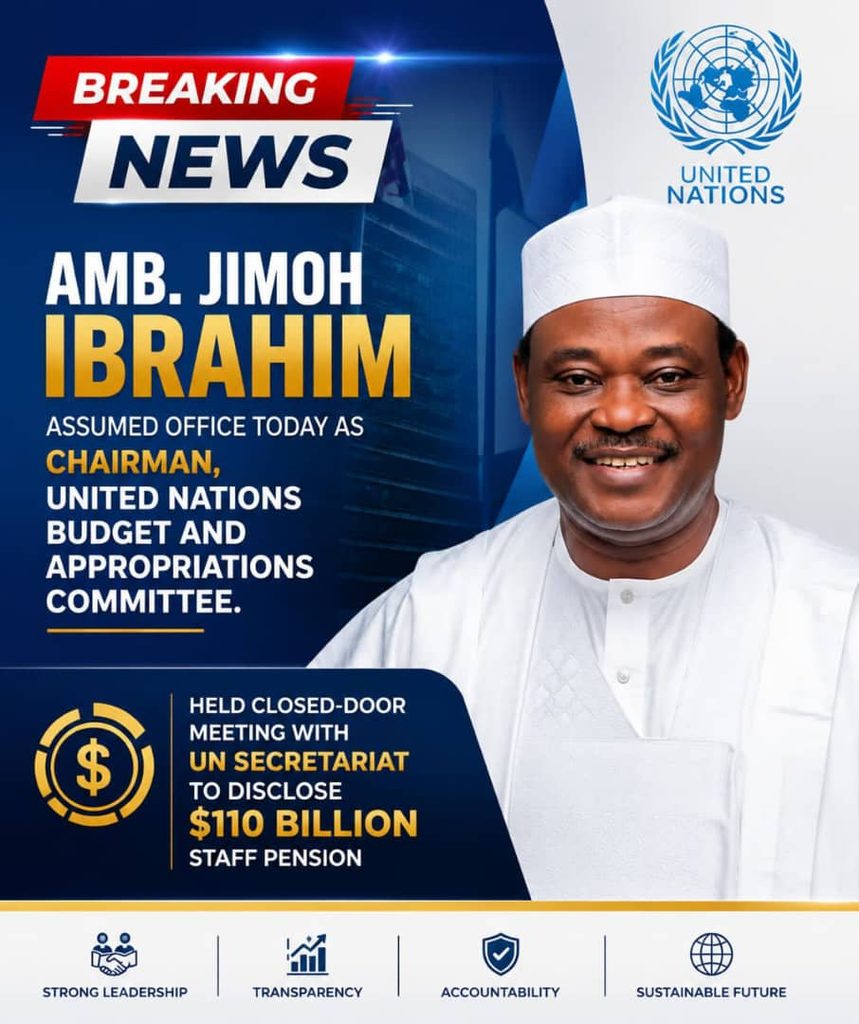
Speaking on his priorities, Ibrahim said the issue of staff pensions, which he put at about $110 billion, as well as reforms within the organisation, would receive serious attention. He stressed that the management of the UN’s finances must ultimately serve the interests of its 193 member states.
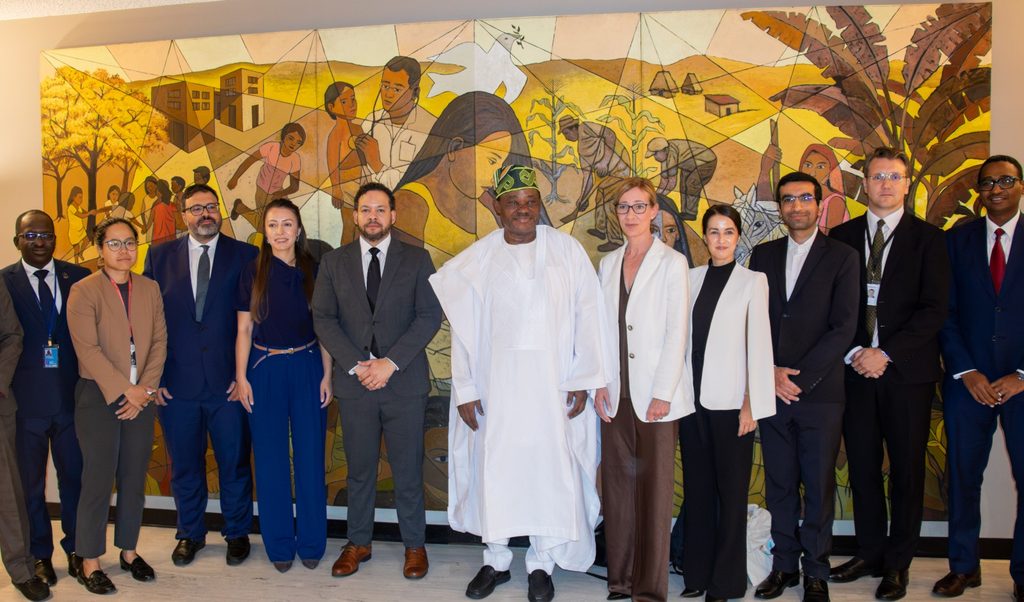
His position reflects a broader argument for greater value, transparency and accountability in the management of international resources. According to the Nigerian envoy, every dollar made available to the United Nations must translate into value for member countries and should not be consumed by the Secretariat alone.
The new chairman’s assignment comes at a particularly challenging period for the global organisation. Reports at the time of his election indicated that the UN was facing a budget shortfall of more than $1.8 billion, heightening the need for prudent financial management and innovative approaches to deficit financing.
Ibrahim is expected to draw on his experience in Nigeria’s National Assembly, particularly his previous involvement with the Senate Committee on Budget and Appropriation and his experience in inter-parliamentary relations. In his acceptance remarks, he also linked his approach to the economic reforms being pursued by President Bola Ahmed Tinubu.
He assured the United Nations of Nigeria’s continued support under President Tinubu, signalling that Nigeria would remain committed to strengthening multilateral cooperation and supporting reforms capable of making the organisation more effective, accountable and sustainable.
President Tinubu had earlier congratulated Ibrahim on his election, describing the appointment as significant at a time when the UN was undergoing financial realignment and institutional reforms. The President expressed confidence that Ibrahim’s experience in public service, diplomacy, governance and financial management would enable him to provide effective leadership to the Fifth Committee.
For Nigeria, Ibrahim’s emergence in the influential UN committee represents a notable diplomatic responsibility. Beyond the prestige attached to the position, his leadership will place Nigeria in a strategic position to contribute to discussions on the financing, administration and human-resource policies of one of the world’s most important multilateral institutions.
As Ibrahim begins his tenure, expectations will be high that his promise of reform will translate into stronger financial accountability, responsible management of UN resources and a system in which the interests of member states remain at the heart of every budgetary decision.