

Nigeria’s Political Parties Must Put Farmers’ Cooperatives at the Centre of Policy

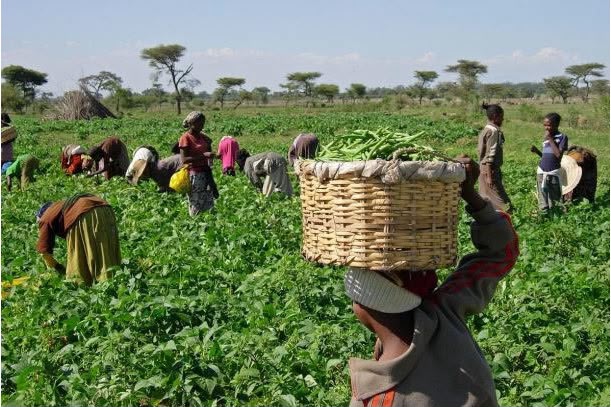
Nigeria’s political parties should have agricultural policies centred around developing farmers’ cooperatives and making agro-processing the centrepiece of manufacturing. Without this, our economy will remain dependent on crude oil, leaving millions of farmers stuck at subsistence level.First, all of Nigeria’s 774 local government areas must be obliged by law to organise their farmers into cooperative units. Through these cooperatives, farmers can sell produce, buy seedlings, pesticides, fertilisers, and equipment collectively, maximising efficiency and reducing overhead costs.
Every local government should also build at least one food storage facility capable of holding six months’ worth of stock. This would stabilise supply, reduce waste, and ensure food security. To fund these services, an agricultural tax should be levied at harvest time, with proceeds reinvested into farming programmes.
Cooperatives must be encouraged to move into value-added activities. Loans will be provided to facilitate this, with a National Bank of Agriculture established to offer credit at rates capped at 5%. Farmers should also be incentivised to venture into organic agriculture, given the high premiums such produce commands internationally.Seed companies should be offered tax holidays to set up plants in Nigeria, while cooperatives must invest in high-yield hybrid seedlings to boost productivity. Processing companies and food manufacturers — Cadbury, Nestlé, Mars, Kellogg’s, Tate & Lyle, Unilever should be encouraged to establish plants in Nigeria.
Tax holidays, 100-year land leases, and duty waivers must be deployed to attract them.The ultimate goal is clear: Nigeria must export finished, packaged, shelf-ready products to international markets. Agro-processing must become the backbone of our manufacturing sector, transforming Nigeria from a raw material exporter into a global food powerhouse.📧 ayoakinfe@gmail.com
🌐 www.ayoakinfe.com