


Nigeria should be sending experts to India and China to study how they are managing their large populations and the kind of infrastructural facilities being put in place. With India now overtaking China at 1.47 billion people, they have not been caught napping. They prepared by building industrial cities, wooing blue-chip companies, and sustaining 10% annual GDP growth rates.
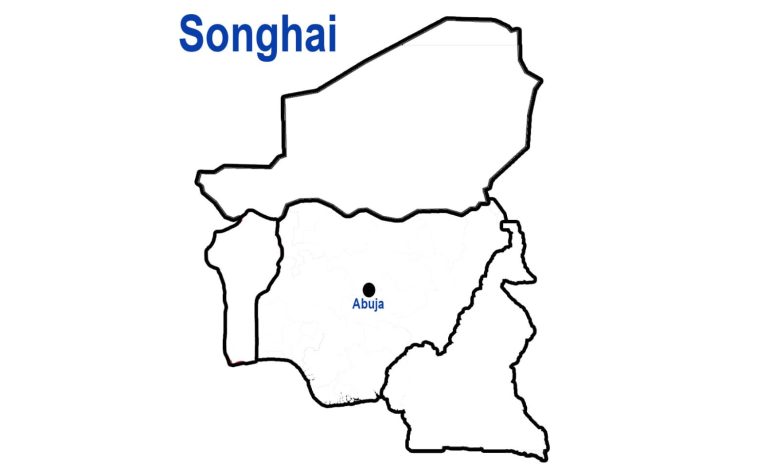
By 2050, Nigeria is projected to become the world’s fourth most populous nation behind India, China, and the US, with an estimated 400 million people. Our current landmass of 923,770 square kilometres is inadequate for this. We must begin merger and alliance negotiations with neighbours to expand our land base. More critically, our GDP of $400 billion is far too small. We need an economy of at least $2 trillion to sustain this growth.
Nigeria’s population grows at 3% annually, yet our economy does not match this pace. We need at least 5% growth just to keep even. At present, only Lagos attracts significant foreign direct investment, accounting for a quarter of Nigeria’s GDP and one-third of non-oil GDP. We must replicate Lagos’s model across all 35 other states, investing revenues in housing, schools, railways, shopping malls, libraries, sports centres, and roads.
Does President Tinubu appreciate the enormity of this task? He must aim for 10% GDP growth and attract at least $10 billion annually in FDI. To achieve this, Nigeria should target the following companies:
- John Deere – mechanised farming equipment to industrialise agriculture.
- Mars – food processing, with the world’s largest chocolate plant converting West African cocoa.
- Embraer – aircraft manufacturing for African airlines.
- Toyota – automobile and railway equipment production.
- Vickers Shipbuilding – shipyards in Bonny or Badagry for maritime industry.
- Daihen Corporation – transformer manufacturing to solve power distribution.
- Tata Steel – steel production and machine tools, reviving Ajaokuta and Aladja.
- Raleigh – bicycle manufacturing for green transport.
- Samsung – mobile phone production for Nigeria’s massive market.
- Nike – local kit production to expand Nigeria’s global football brand.
Nigeria must stop being reactive and start planning for its demographic destiny. India and China are showing us the way. The question is whether we will learn from them or continue to stumble blindly into the future.
📧 ayoakinfe@gmail.com
🌐 www.ayoakinfe.com