

By Ayo Akinfe
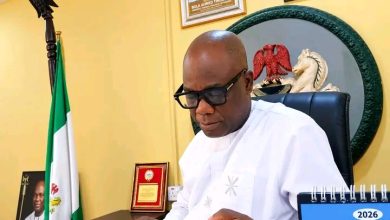
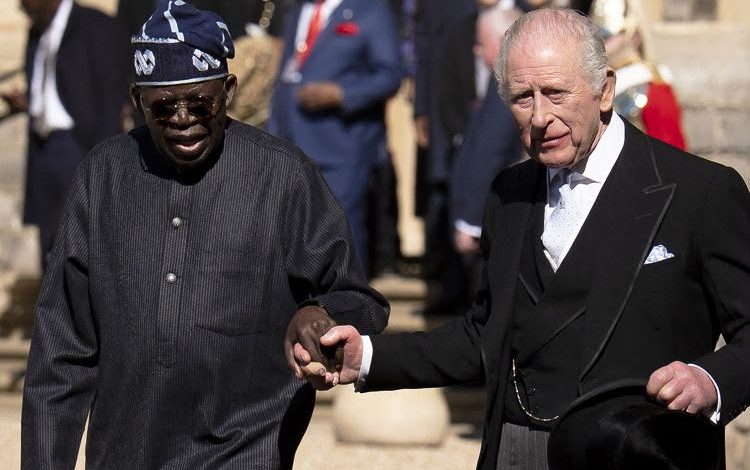
I Hope President Tinubu is using his influence with King Charles to initiate discussions with Andy Burnham about attracting wide-scale British investment into Nigeria’s maritime industry. If Britain once used naval power to subdue Lagos, it is only fitting that maritime cooperation now becomes the foundation of a new economic partnership.I have always regarded the 1851 capture of Lagos as the true beginning of British colonisation in Nigeria.
That year, John Beecroft, the British consul of the Bights of Benin and Biafra, lined up naval gunboats off Lagos and forced Oba Akintoye to sign a treaty of protection. His son, Dosunmu, resisted but eventually signed the Lagos Treaty of Cession in 1861 under threat of violence. By 1862, Lagos was declared a British colony, paving the way for the conquest of the rest of Nigeria.From then on, the British consolidated their hold.
Lugard’s troops sacked Sokoto in 1902, Benin fell in 1897, and by 1914 Nigeria was amalgamated into one giant colony. Lugard’s ruthlessness was driven by rivalry with French interests in Dahomey and German ambitions in Cameroon. Britain wanted Nigeria to be its African India — the jewel in the crown of its West African empire. Nigerian troops were even used to seize western Cameroon in World War One and formed the backbone of the West African Frontier Force in World War Two.Yet Britain failed to equip Nigeria economically.
Unlike Japan in Manchuria or the US in Cuba, Britain invested little in industry. Most perplexing of all, they withheld their greatest skill — shipbuilding. Inn’t 1851, Britain was the world’s leading maritime power, yet not a single shipyard was built in Lagos or Calabar. This was racism at its worst, a refusal to share technology with a colony deemed unworthy.Consider that between 1914 and 1918, British shipyards on the River Wear alone built over 3 million tonnes of shipping. The Tyne boasted 19 shipyards, producing one-third of the world’s battleships and significant shares of cruisers, destroyers, escorts, and submarines. By contrast, Nigeria received nothing.
Even when Swan Hunter ceased vessel construction in 2006, we missed the chance to invite them to relocate to Calabar — once the world’s largest slave port, and a place Britain owes a debt.Looking forward, I expect President Tinubu and Prime Minister Andy Burnham to agree on a shipbuilding deal that transforms the Niger Delta into the Tyne of West Africa. At the very least, the opening of a British shipyard in Calabar by 2027 should be the minimal basis for continued Nigeria-Britain economic cooperation. If Calabar could ship British slaves, it can certainly build British ships.
📧 ayoakinfe@gmail.com
🌐 www.ayoakinfe.com