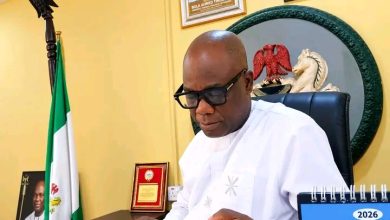


Politics should never be a theatre of empty promises or self‑promotion. At its core, politics is service, development, and preparing a stronger tomorrow. A true leader leaves behind legacies that endure beyond his lifetime. Anything less is chasing shadows.
For years, Okeigbo endured silence and neglect—no voice in federal legislation until 2023, when the tide shifted by God’s grace and through the support of Ileoluji/Okeigbo & Odigbo Federal Constituency. With Hon. Festus Ayodele Adefiranye, the narrative began to change. He has proven that representation can mean restoration, that leadership can be love in action.
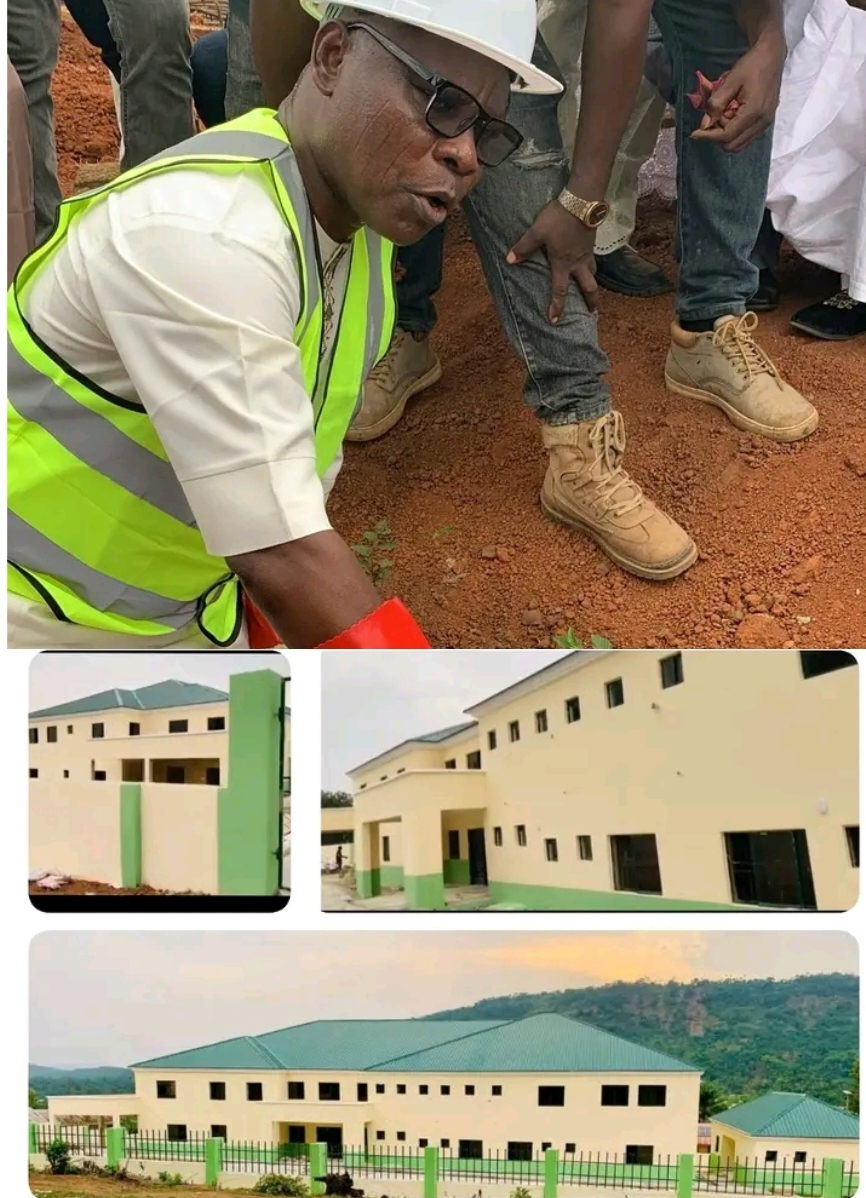
The Federal General Hospital in Okeigbo is more than bricks and mortar; it is a lifeline. It symbolizes healing, dignity, and hope. When its foundation was laid in March 2025, many feared it would become another abandoned project. Today, it stands tall, awaiting equipment and furnishing. That is not rhetoric, it is delivery.
Hon. Festus Adefiranye has shown that he is not just a good leader he is the best choice. His vision, compassion, and ability to turn promises into tangible results set him apart. Where others talk, he delivers. Where others hesitate, he acts. His politics is not about noise but about substance, and the people know it.
And the people of Okeigbo understand a simple truth: you don’t discard the umbrella while the rain still falls. You don’t change a winning horse mid‑race. You don’t abandon the bridge that carried you across. Hon. Festus Adefiranye has carried this constituency with vision and compassion, and wisdom demands he carries it further.
The lesson is clear: you don’t break a winning team. You don’t throw away the ladder that lifted you. You don’t forsake the shepherd who kept the flock together. Hon. Festus Adefiranye has turned representation into restoration, and the people know it.
As 2027 approaches, Okeigbo must stand firm. Support him for a second term, because the journey is not yet complete. The harvest has begun, but more fruits are coming. With Fesy, the future is not a distant dream—it is already unfolding before our eyes.
O’wumi